
Know Where to Turn: Finding Trusted Resources in an Emergency or Disaster
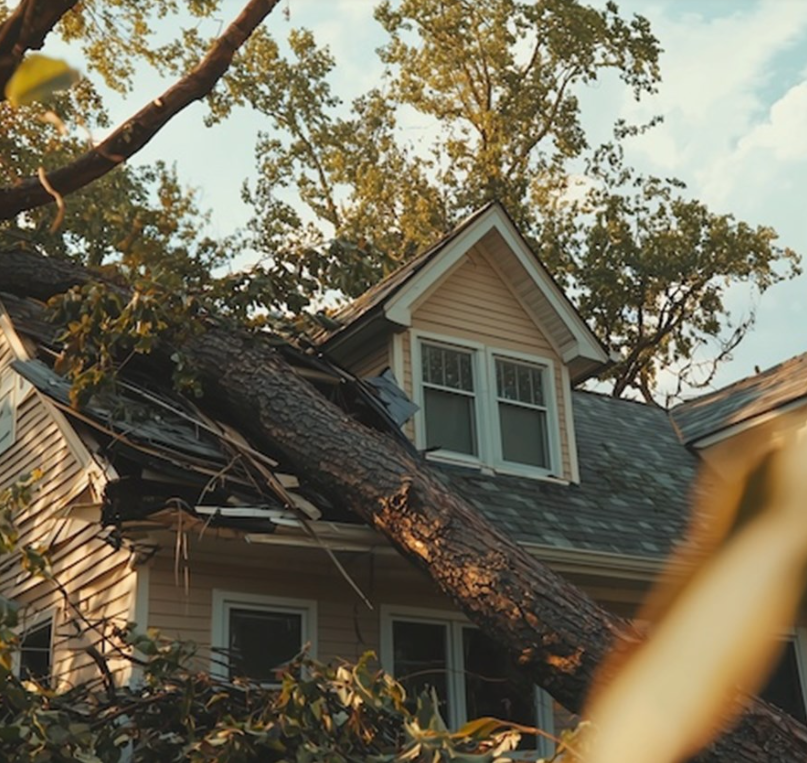
When disaster strikes—whether it’s a hurricane, flood, wildfire, or emergency, it’s easy to feel overwhelmed. On top of keeping yourself and your family safe, you may suddenly be faced with urgent financial decisions, property loss, displacement, or the need for immediate assistance. That’s why knowing where to turn before disaster hits is one of the most important steps you can take to protect your finances and peace of mind.
When disaster strikes—whether it’s a hurricane, flood, wildfire, or emergency, it’s easy to feel overwhelmed. On top of keeping yourself and your family safe, you may suddenly be faced with urgent financial decisions, property loss, displacement, or the need for immediate assistance. That’s why knowing where to turn before disaster hits is one of the most important steps you can take to protect your finances and peace of mind.
This month, we’re focusing on Saving for Emergencies and highlighting the importance of not just saving money but also knowing your support system and trusted resources in the event of a disaster.
Why It Matters
Emergencies are stressful enough without scrambling to figure out where to go for shelter, food, or financial relief. Having a plan in place, and knowing who to contact and what’s available to you, helps you:
Get aid faster
Avoid scams or misinformation
Minimize long-term financial setbacks
Feel empowered instead of overwhelmed
Trusted Emergency Resource Hubs
Here are key organizations and government agencies to know:
FEMA (Federal Emergency Management Agency)
Offers disaster assistance programs, emergency alerts, shelter info, and grant support.
Website: www.fema.gov
Disaster Assistance: www.disasterassistance.gov
American Red Cross
Provides shelter, emergency supplies, health services, and recovery support.
Website: www.redcross.org
211.org (United Way)
Call 211 or visit the website to connect with local help for food, housing, and financial assistance.
Website: www.211.org
One-stop portal for federal disaster relief services, including housing, unemployment, and small business aid.
Your Local Emergency Management Office
Every state and county has an office with localized response info, evacuation zones, and disaster planning tips. Search FEMA’s website to find assistance in your area here.
Tip: Store Important Documents & Info in One Place
You can’t apply for assistance without the right documentation. Be sure you have:
Social Security cards
Insurance policies
A list of prescriptions and health info
Birth certificates and IDs
Banking information
Need help getting started?
Don’t Forget Financial Resilience
Disaster preparedness isn’t just about batteries and bottled water; it’s also about financial readiness. Make sure your emergency fund is in a safe, accessible place, and if possible, set up automatic savings to keep building even when life is busy.
Have a Story About Navigating a Disaster?
We’d love to hear how you prepared—or wish you had prepared—for an emergency. Sharing your story could help another family stay safe and financially strong.
Submit Your Saver Story Here!
Remember: When you’re financially prepared and resource-aware, you give yourself the best chance to recover and rebuild—no matter what life throws your way.
Stay safe. Stay informed. And keep saving.